

Posts related to: Angular
Using Angular's Live Reload Web Server to Refresh Pages on a Phone
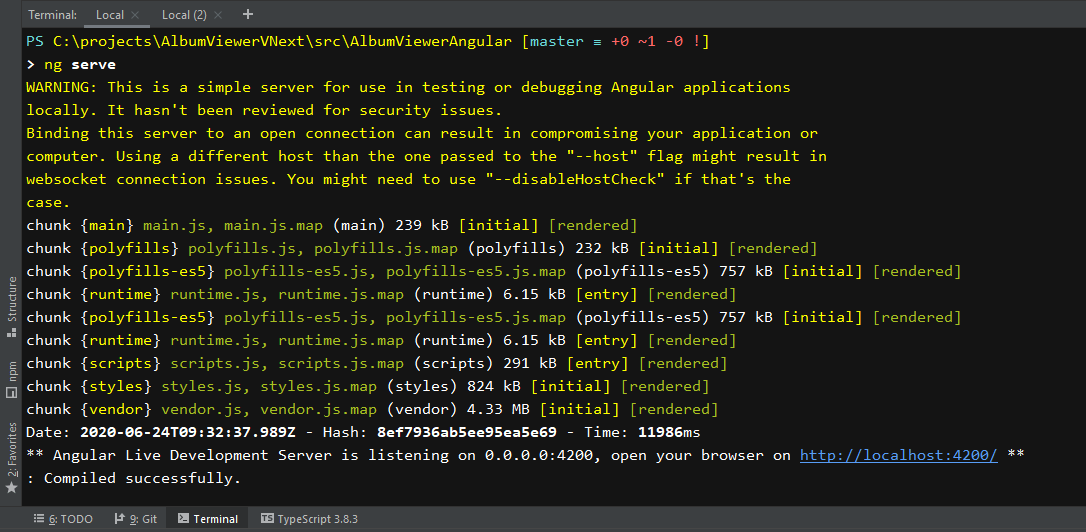
Live Reload is now common for client side application development and it has become ubiquitous for Web development. But setting up Live Reload to work on a phone is not quite so obvious. In this post I'll walk you through what you need to do to get Live Reload to work on a mobile device for more productive on-device execution.
Creating Angular Synchronous and Asynchronous Validators for Template Validation

Validations are a key feature of any business application and in Angular there's an infrastructure for building validators built in. A number of existing validators provide the basics but if you have custom business logic to process for validation you'll need to create custom Validators. In this post I describe how to create both sync and asycn Angular Validators for use in declarative forms.
Using the ng-BootStrap TypeAhead Control with Dynamic Data
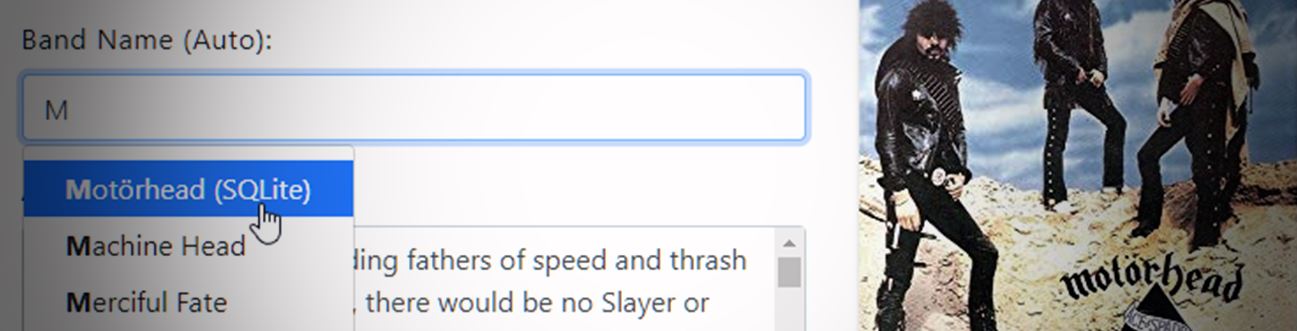
I recently swapped my Auto complete logic in an application to use ng-bootstrap's nice and relatively easy to use TypeAhead control and I ran into a small snag trying to figure out how to bind dynamic data retrieved from the server. The examples show local data binding but fail to show how to load and update the control with remote data. In this post I show how the control works both in sync and async mode and point out the simple solution that eluded my via the Observable switchMap operator.
Creating a custom HttpInterceptor to handle 'withCredentials' in Angular 6+

Client HTTP requests often need to set a few common settings and you don't want to set them on every request. To make this process easier Angular provides an HttpInterceptor class that you can subclass and add custom behavior to for each HTTP request that is sent through the HttpClient. Here's a quick review on how to do this.
Updating my AlbumViewer to ASP.NET Core 2.1 and Angular 6.0
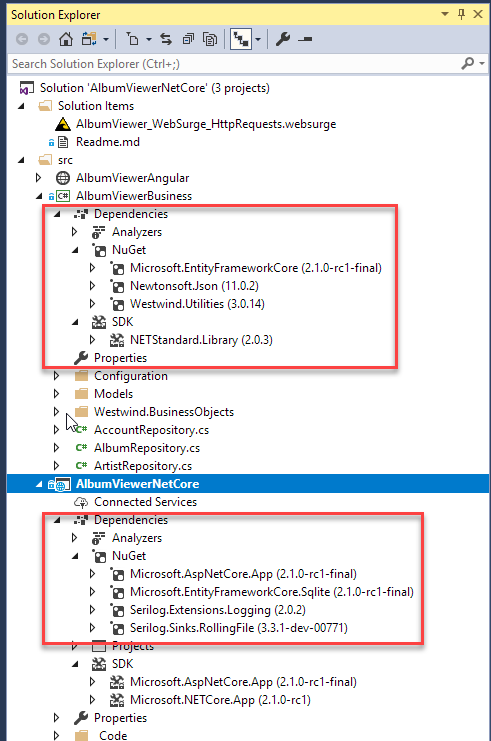
Took some time to upgrade my AlbumViewer application to ASP.NET Core 2.1 RC and Angular 6.0. The .NET Core update was very smooth with only very minor adjustments required showing that Microsoft has smoothed out the update path significantly from the frenetic pace of past versions. The Angular update was a bit more involved primarily due to the changes in rxJS.
Dev Intersection 2017 Session Slides and Samples Posted

I've posted my Session Slides and code samples from last week's DevIntersection conference on GitHub.
Handling HTML5 Client Route Fallbacks in ASP.NET Core

HTML5 client routes work great on the client, but when deep linking into a site or pressing refresh in the browser, HTML5 client side routes have a nasty habit of turning into server HTTP requests. Requests to routes that the server is likely not configured for. In this post I look at why HTML5 client routes require server cooperation to handle and how to set them up on IIS and/or ASP.NET Core.
Updating my AlbumViewer Sample to ASP.NET Core 1.1 and Angular 4
I updated my AlbumViewer sample application recently to the latest versions of ASP.NET Core (1.1) and the new .csproj project as well Angular 4
New CODE Magazine Article: Getting down to Business with ASP.NET Core

The latest issue of CODE magazine features my Getting down to Business with ASP.NET Core article as the cover article. The article focuses on building an ASP.NET Core backend for an Angular 2 front application, covering all aspects of separating business and Web app logic, dealing with EF Core data access in related tables, CORS to be able to run across domains and simple authentication in a client centric REST service application. Check it out.
Error Handling and ExceptionFilter Dependency Injection for ASP.NET Core APIs
Exception handling in API applications is important as errors - both handled and unhandled - need to be passed to clients in some way to let them display error information. ASP.NET's default error handling doesn't provide for object error results by default, but you can use an ExceptionFilter to intercept exceptions and format them yourself. In this post I look at how to create an API exception filter to create error object responses, and hook up custom logging of those errors to disk.
Bootstrap Modal Dialog showing under Modal Background
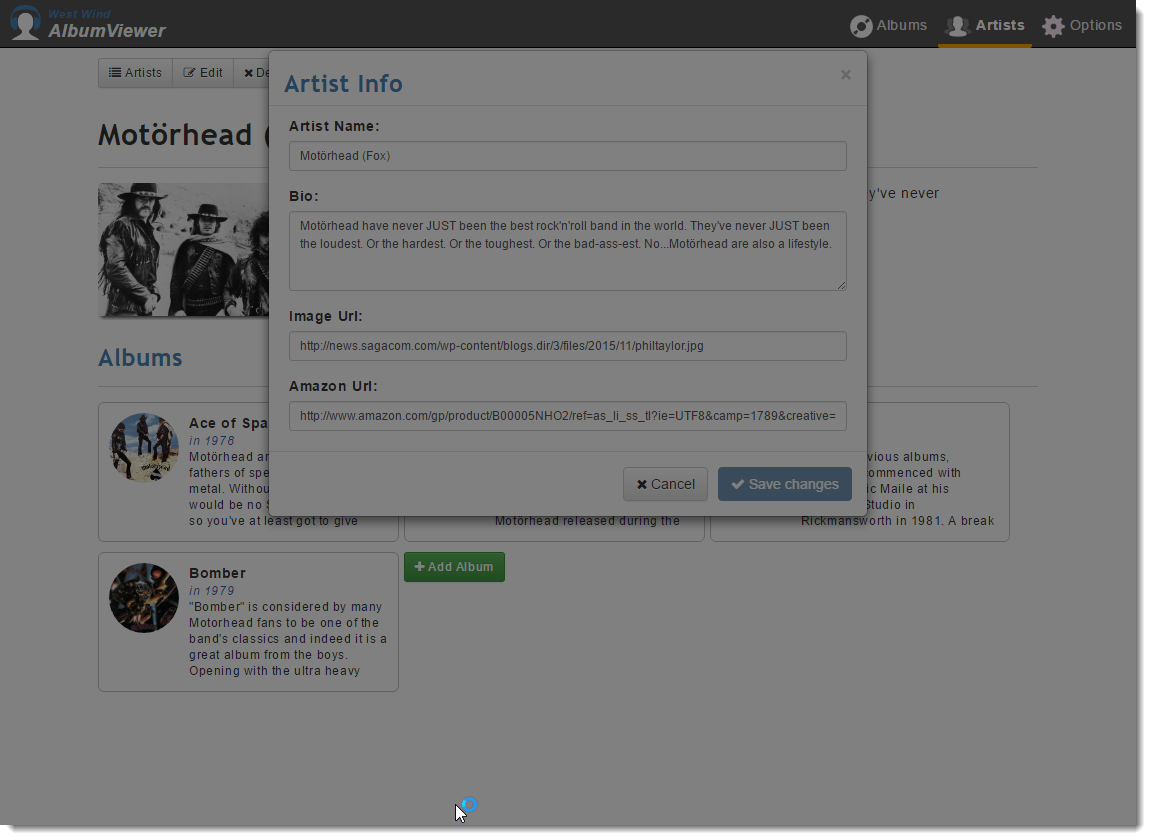
On more than a few occasions I've run into issues with Bootstrap's Modal dialog rendering incorrectly with the dialog showing underneath the overlay. There are a number of ways around this problem, but none of them are universal that depend on how your pages are laid out. It's especially problematic for applications that dynamically render components where there's no good control on where the elements are placed outside of the components DOM containership. In this post, I describe a few of the…
External JavaScript dependencies in Typescript and Angular 2
Angular 2.0 and Typescript make it very easy to import external Typescript classes and references using the module loading functionality built into Typescript (and ES6). However, if you need to work with external libraries that aren't built with Typescript you need to do a little extra work in importing and referencing the external libraries. In this post I show two approaches for importing libraries as modules and dereferencing library globals so that the Typescript compiler is happy.
The Rise of JavaScript Frameworks – Part 2: Tomorrow
JavaScript frameworks are undergoing a huge change for their V2 releases, going through the growing pains of providing a more modern platform and bridging new technologies. While the new frameworks promise improved performance and usability, there is also quite a bit of pain involved in respect to the build process and making the move to ES6.
The Rise of JavaScript Frameworks - Part 1: Today
JavaScript frameworks have moved front and center in the mainstream in the last year and a half or so. When building modern Web applications, the bar has been raised significantly by what is possible in large part due to the more accessible mainstream frameworks that are available today to build rich client and mobile Web applications. In this post I'll explore why JavaScript frameworks have become so popular so quickly and how it effects the future of Web development. This two part series…
Right To Left (RTL) Text Display in Angular and ASP.NET
Recently I was gently asked to add support for RTL language editing in my Westwind.Globalization library and the Web Resource Editor. The Editor supports displaying resources in all of its localized version, but it didn't respect the RTL setting for languages that required it. In this post I describe how RTL support works in browsers, how you can detect RTL support on a locale in .NET and demonstrate how I integrated basic RTL edit and display support for the Resource Editor using a custom…