


Posts related to: C
Back to Basics: CSS @container Filtering
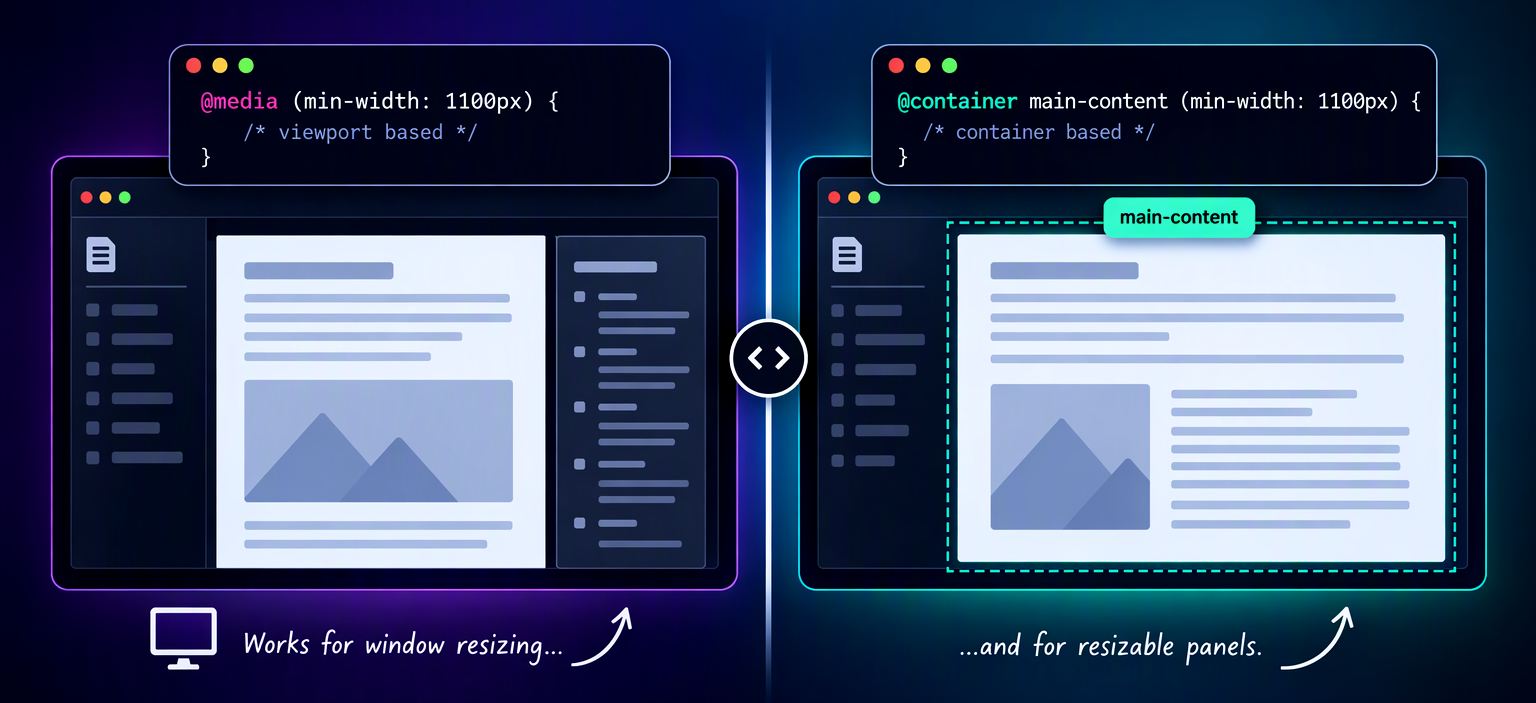
While viewport-based queries are a staple of responsive web design, they fall short in dynamic or resizable multi-pane layouts. The newish CSS @container at-rule solves this by allowing styles to adapt based on the size of a specific parent container rather than the entire browser window. In this post, explore the differences between @media and @container, and describe how you can quickly move queries from @media to @container for greater flexibility.
Protecting File Access in the wwwroot Folder in ASP.NET

ASP.NET Core treats files in wwwroot as public static content, but occasionally applications create files there that should only be available to authorized users. In this post I look at several ways to protect those files and show a small middleware solution that lets selectively access files easily.
Back to Basics: JavaScript and Timezones

JavaScript's native Date object internally tracks UTC instants but defaults to local time for display, leading to common timezone pitfalls. In this post, I describe how to manage and display timezones using various JavaScript APIs old and new from the old and trusty Date object, INTL.DateTimeFormat() and the newish Temporal class.
Getting Inherited Controller Routes to work in ASP.NET Core

Controller inheritance in ASP.NET Core is an edge case, but if you need it you have to be mindful of how route inheritance works in ASP.NET. This post explores why concrete class inheritance causes route duplication and provides a couple of solutions.
Putting the Westwind.Scripting C# Templating Library to work, Part 2

In part 2 of this post series I look at some of the issues you may have to deal with when using the Westwind.Scripting library as an offline document or Web site creation engine. While running simple templates is easy enough, when generating static output for Web site publishing or local preview requires some special considerations.
Revisiting C# Scripting with the Westwind.Scripting Templating Library, Part 1

The Westwind.Scripting library provides runtime C# code compilation and execution as well as a C# based Script Template engine using Handlebars style syntax with pure C# code. In this post I discuss use cases for script templating and some examples of how I use in real-world applications, followed by a discussion of the engine's features and the new Layout, Section and Partials feature that was added recently.
Using .NET Native AOT to build Windows WinAPI Dlls
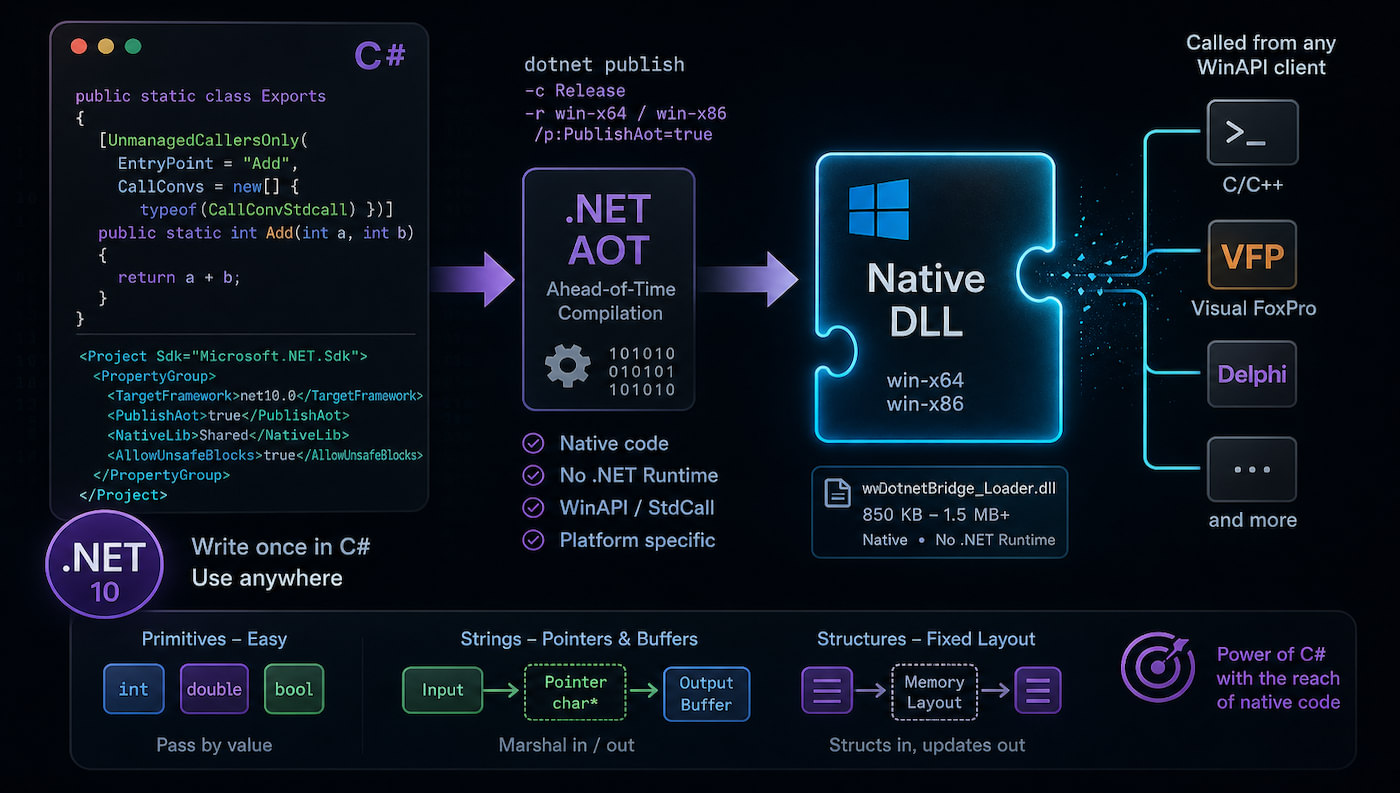
Did you know that you can use .NET AOT compilation to create native Windows DLLs to potentially replace traditional C/C++ compiled DLLs? It's now possible to build completely native DLLs that can be called from external applications and legacy applications in particular using .NET AOT compilation. In this post I show how this works and discuss the hits and misses of this tech.
Azure Trusted Signing Revisited with Dotnet Sign

In this follow-up post to my previous guide on Azure Trusted Signing, I explore how the new dotnet sign tool significantly simplifies the code signing process compared to the traditional SignTool workflow. The post identifies dotnet sign using artifact-signing as a faster, more efficient alternative.
Don't use the Microsoft Timestamp Server for Signing
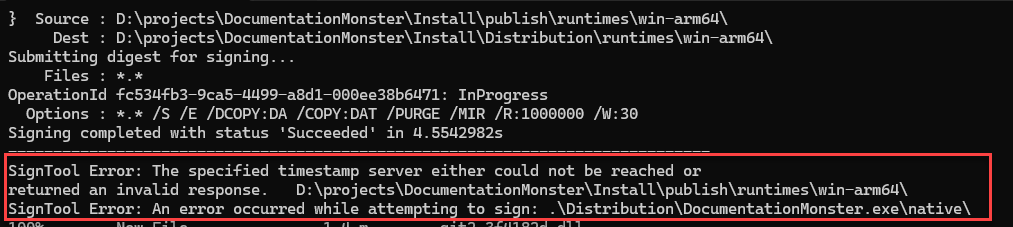
The default Microsoft timestamp server frequently causes intermittent failures during the code-signing process, particularly when processing many files or large binaries as part of a application distribution. These reliability issues can be resolved by replacing the Microsoft timestamp server with a more stable, compatible third-party alternative.
Fighting through Setting up Microsoft Trusted Signing

It's that time of year again to update my CodeSigning certificate, only to find out that the rules have changed since I last did this. Certs now require either a physical hardware key or a online service provides the non-exportable keys to sign binaries along with massive price increases for the privilege. So I decided to give Microsoft's new Trusted CodeSigning service a try, and while that entails all the joy of setting up Azure services, at the and of the day it works and is a considerably…
Lazy Loading the Mermaid Diagram Library

The Mermaid library is a large beast, and if you're using it selectively in your Web content you probably want to make sure you don't load it unless you actually need it, due to it's download footprint and load time. If you're loading Mermaid with server only code it's pretty straight forward, but if you use it on the client there you may want to delay loading the library until you actually need to display a diagram.
Making Html Input Controls Truly ReadOnly

A discussion of how to show readonly controls in user interface and ensuring that they are not UI activated. This post discusses readonly and disabled behavior and how you can make readonly behave better if you choose to use it over disabled.
Inline Confirmations in JavaScript UI

Confirmation dialogs or modal popups can be annoying in HTML applications. What if you could instead use an inline UI to confirm an operation? In this post I describe a simple way you can use an inline UI to confirm an operation that can be easily implemented with a few lines of code and a couple of binding directives.
Back to Basics: Using the Parallel Library to Massively Boost Loop Performance

I recently had another occasion to add Parallel.ForEachAsync() into an application to improve performance of an Http look up operation drastically. When I tweeted a note on X there was quite a bit of response, so I thought I follow up and discuss Parallel use in this use case and when it makes sense to use Parallel in applications.
C# Version String Formatting
I'm tired of trying to format versions for user facing interfaces after fumbling with it again and again. In this short post I show a small helper extension method that lets you configure how to form user friendly version strings to display to end users.